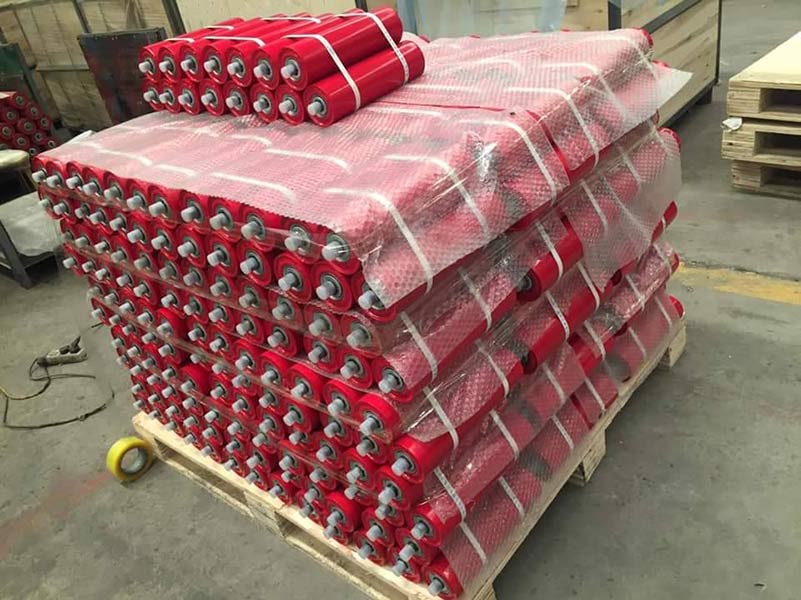
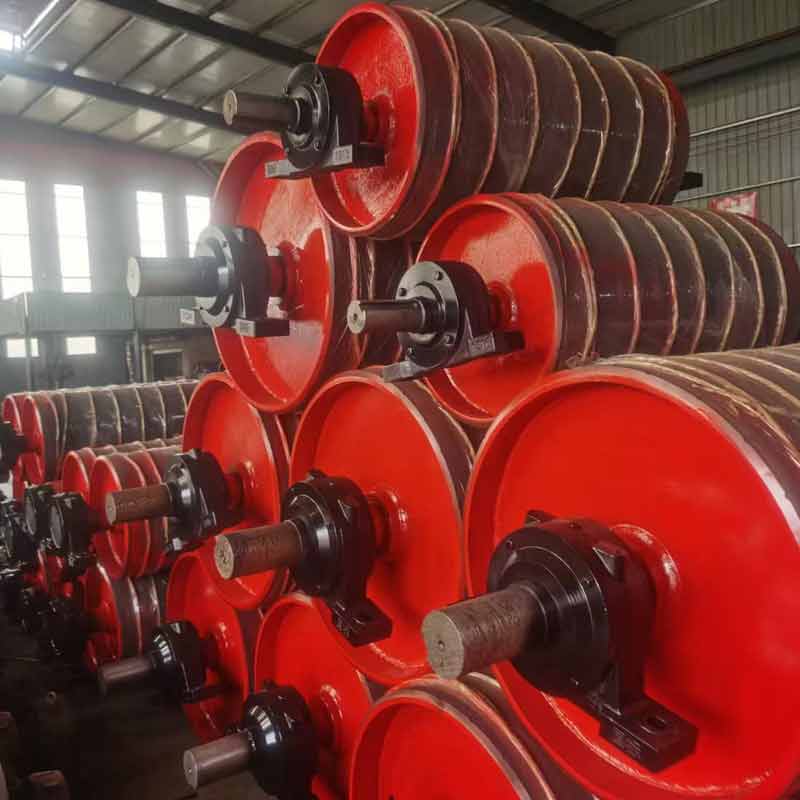


Idler Roller
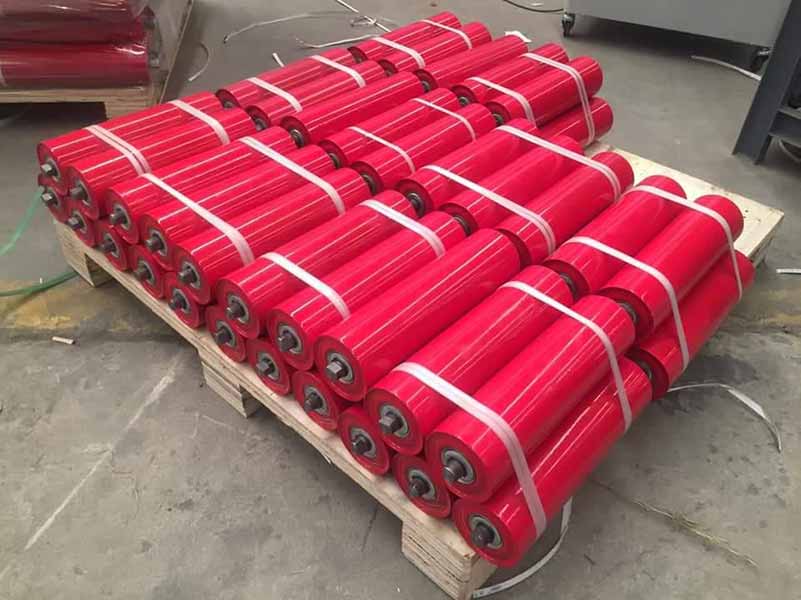
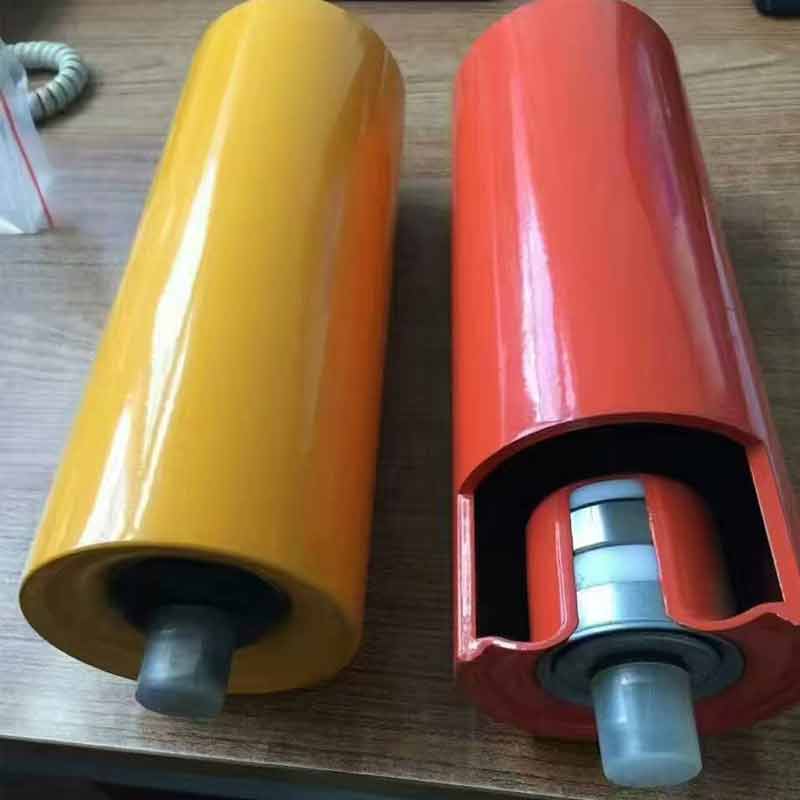
The function of the idler rollers is to support the weight of the conveyor belt and the materials. The operation of the idler rollers must be flexible and reliable. Reducing the friction between the conveyor belt and the idler rollers plays a crucial role in extending the service life of the conveyor belt, which accounts for 25% of the total cost of the conveyor. Although the idler rollers are a relatively small component in the belt conveyor and their structure is not complex, manufacturing high-quality idler rollers is not an easy task.
The criteria for judging the quality of idler rollers include the following: radial runout of the idler rollers; flexibility of the idler rollers; axial displacement.
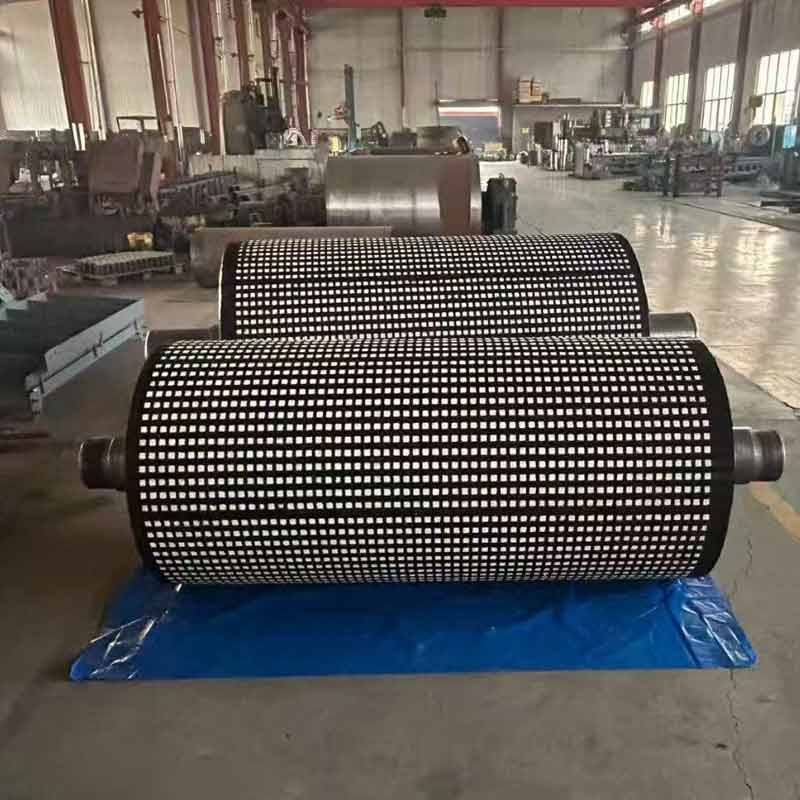
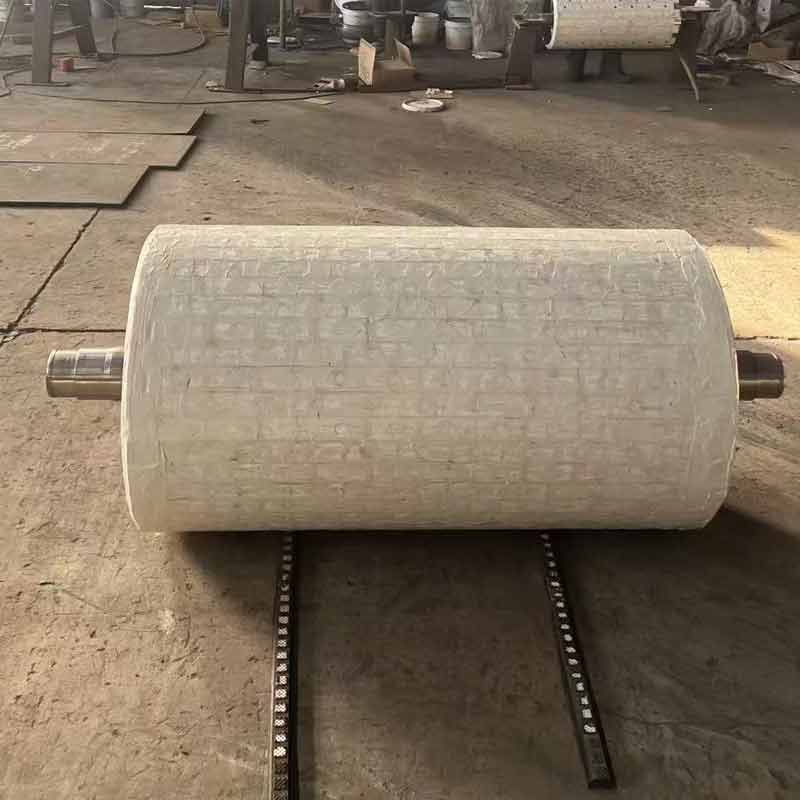
1. According to material, they are divided into rubber idlers, ceramic idlers, nylon idlers and insulated idlers.
2. The main types include trough-shaped idler sets, various parallel idler sets, various self-aligning idler sets, and various buffer idler sets.
(1) Trough-shaped idlers include ordinary idlers, forward-leaning idlers, quick-change bearing idlers, hanging idlers, three-chain idlers, reversible idlers, variable slot angle idlers, transition idlers, V-shaped idlers, etc.
(2) Parallel idlers include ordinary idlers, comb-shaped idlers, forward-leaning idlers, steel-gel idlers, spiral idlers, etc.
(3) Self-aligning idlers include general type, friction reversible type idlers, strong type idlers, conical idlers, spiral idlers, combined type idlers, etc.
(4) Buffer idlers include spring plate type idlers, buffer ring type idlers, strong buffer type idlers, adjustable elasticity type idlers, hanging idlers, etc.